Dead Tree Removal in Doylestown, PA
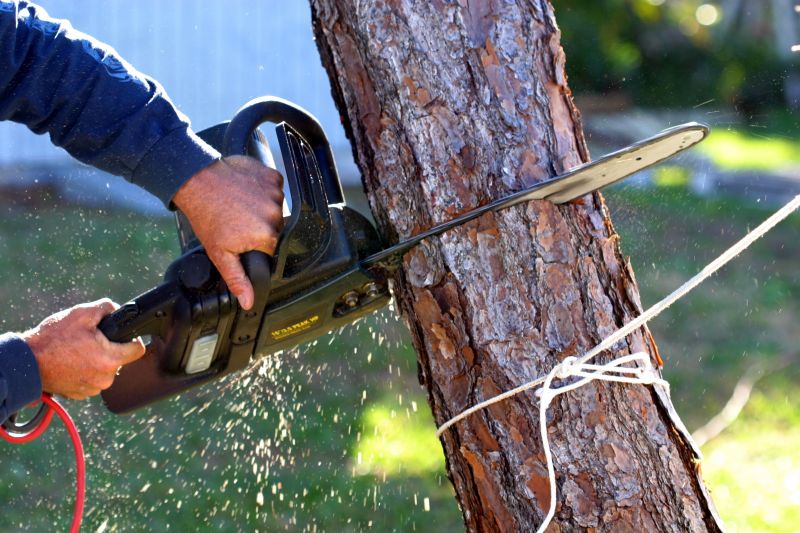
Dead tree removal services involve the safe and efficient removal of trees that are dead, decaying, or pose a risk to property and safety. This type of project typically covers removing trees that have become unstable due to disease, storm damage, or old age. Homeowners often request this service to prevent potential hazards such as falling branches or entire trees, which could cause damage to structures, vehicles, or pose safety concerns for residents and visitors.
Before requesting dead tree removal, property owners should consider the size, location, and condition of the tree. Understanding whether the tree is near power lines, buildings, or other valuable landscape features is important for planning the safest removal process. Additionally, knowing if the tree is completely dead or partially healthy can influence the approach taken. Proper assessment helps ensure the removal is performed safely and efficiently, minimizing disruption to the surrounding property.
Many property owners in Doylestown, PA look into Dead Tree Removal for repairs, replacements, upgrades, and appearance-related improvements.
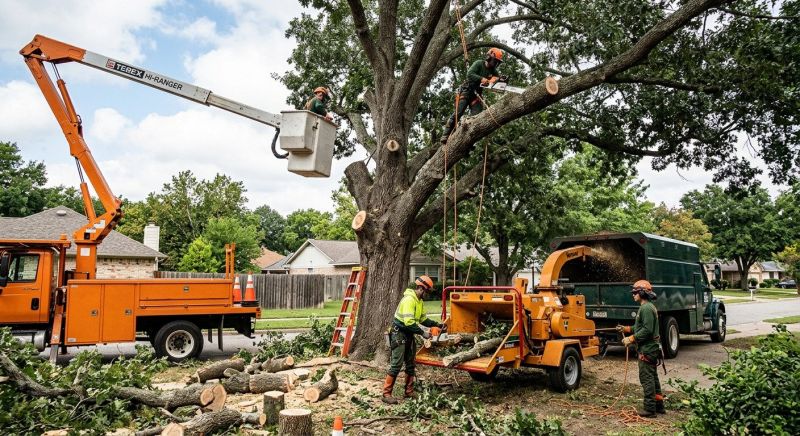
Reasons For Dead Tree Removal
Removing dead trees helps prevent property damage and safety hazards around doylestown homes.
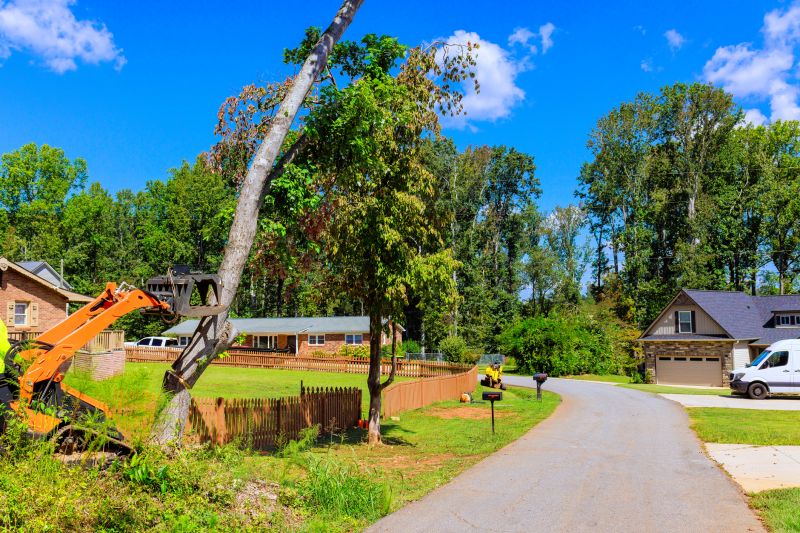
Signs A Tree Needs Removal
Indicators include dead branches, leaning trunks, and visible decay, which can threaten nearby structures.
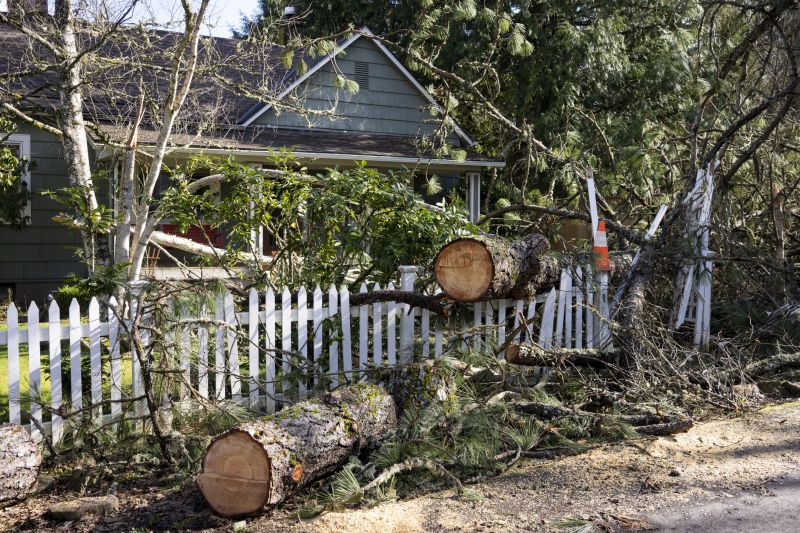
Benefits Of Tree Removal Services
Professional dead tree removal improves landscape safety and enhances the overall appearance of properties in doylestown.
Dead Tree Removal in Doylestown, PA
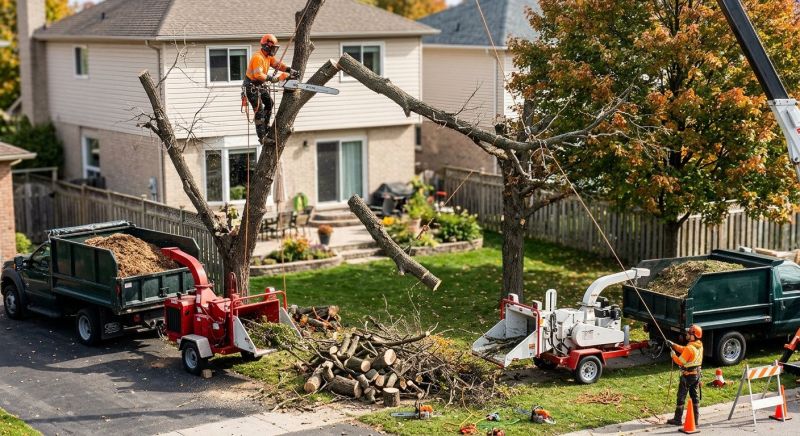
Dead tree removal services involve the safe and efficient removal of trees that are dead, decaying, or pose a risk to property and safety. This type of project typically covers removing trees that have become unstable due to disease, storm damage, or old age. Homeowners often request this service to prevent potential hazards such as falling branches or entire trees, which could cause damage to structures, vehicles, or pose safety concerns for residents and visitors.
Before requesting dead tree removal, property owners should consider the size, location, and condition of the tree. Understanding whether the tree is near power lines, buildings, or other valuable landscape features is important for planning the safest removal process. Additionally, knowing if the tree is completely dead or partially healthy can influence the approach taken. Proper assessment helps ensure the removal is performed safely and efficiently, minimizing disruption to the surrounding property.
Many property owners in Doylestown, PA look into Dead Tree Removal for repairs, replacements, upgrades, and appearance-related improvements.
Common Dead Tree Removal Jobs
Dead tree removal - safely eliminates hazardous or unsightly trees from residential properties.
Storm-damaged tree removal - clears trees that have been compromised by severe weather to prevent further damage.
Uprooting and stump removal - removes entire trees and stumps to improve landscape safety and appearance.
Emergency dead tree removal - provides prompt service for trees posing immediate risks after storms or accidents.
Selective tree removal - targets specific dead or dying trees to maintain landscape health and aesthetics.
Tree pruning and deadwood removal - removes dead branches to reduce hazards and promote tree health.
Dead Tree Removal Questions
Why should dead trees be removed? Dead trees can pose safety hazards, fall unexpectedly, and affect the health of surrounding plants.
What signs indicate a tree may be dead? Lack of leaves, brittle branches, and visible decay are common signs of a dead tree.
Is dead tree removal necessary near structures? Yes, removing dead trees close to buildings or power lines reduces the risk of damage or injury.
What is the impact of leaving a dead tree standing? Standing dead trees can attract pests, cause property damage, and become a safety concern over time.
Request Dead Tree Removal in Doylestown, PA
Use the quote form on this page to share the basics of your project and request more information for the type of work you need.